Новини
Before the Charger: Why the Hybrid Inverter Matters

The charger gets the attention because it is visible: cable, connector, car. The inverter usually sits quietly on a wall, doing the harder accounting. In a solar home with an EV, that quiet device can decide how smoothly panels, batteries, grid power, and charging work together.
A hybrid inverter is an inverter built to manage both solar generation and battery storage. Standard solar inverters convert DC power from panels into AC power for the home. A hybrid design adds battery control, backup behavior, and energy routing that become more important once EV charging enters the picture.
EV charging exposes weak system design
The U.S. Department of Energy’s Alternative Fuels Data Center notes that Level 2 residential charging commonly uses 240 V service. That makes it a significant household load, even if it runs only a few hours. Add a heat pump, induction range, battery, and rooftop solar, and the home needs coordination rather than a pile of separate controls.
A solar-only inverter may be fine for a house that simply exports daytime power and imports at night. The story changes when the homeowner wants to store solar, charge the car at the right time, hold backup reserve, or run essential circuits during an outage.
What to look for in the inverter layer
Maximum power point tracking, or MPPT, is the inverter function that helps panels operate near their best output under changing sunlight. Multiple MPPT channels can help when roof faces, shading, or panel strings differ. Efficiency matters too, because conversion losses show up over years of operation.
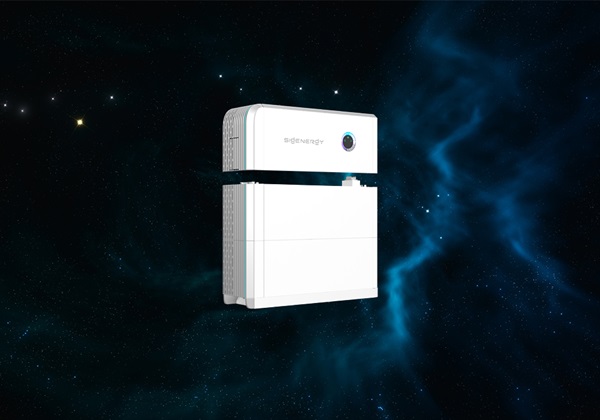
Sigenergy lists the Sigen Energy Controller hybrid inverter as field-configurable from 3.8 kW to 11.5 kW, with 4 MPPTs and up to 97.8% efficiency. Those specifications are not exciting dinner conversation, but they are exactly the kind of details that matter when a solar home adds EV charging and storage.
The charger is the last step, not the first
A homeowner shopping for an EV charger should ask what the home energy system can already support. Can the solar inverter work with a battery? Can the system keep backup circuits separate? Is there a plan for charging during cheap-rate hours or with solar surplus? If the answers are unclear, the charger may only add load instead of adding flexibility.
This does not mean every EV owner needs a new inverter. A home with no solar plans and a simple commute may be fine with a straightforward Level 2 installation. But for homes moving toward electrification, the inverter becomes the foundation. The charger is easier to choose once the energy architecture is settled.
That order also helps avoid stranded decisions. A charger chosen only for today’s car may work, but it may not support tomorrow’s battery, backup plan, or solar expansion. The inverter layer is where those future loads start to become one system.
Before installing another wall box, it is worth reviewing a broader solar-storage-EV system so the charging upgrade supports the next five years of home electrification, not just the next vehicle delivery.